
The International Air Transport Association (IATA) has dramatically reduced its profit outlook for the global airline industry, warning that the combined impact of the Middle East conflict, soaring fuel prices and a weaker economic environment will significantly erode carrier earnings in 2026. Forecasts were provided at IATA AGM in Rio de Janeiro.
According to IATA’s latest forecast, airlines worldwide are expected to post a combined net profit of $23 billion this year, nearly half the $45 billion achieved in 2025 and substantially below the previous forecast of $41 billion.
The industry’s net profit margin is projected to fall to just 2.0%, down from 4.2% last year, highlighting the fragile economics that continue to characterize the airline business even during periods of strong demand.
“War-related disruptions in the Middle East and rising fuel costs have shifted the outlook for airlines to the worse,” said Willie Walsh, IATA Director General. Globally, airlines are expected to see profitability halve compared to 2025. Some of the additional costs are being recovered through higher fares and improved efficiency, but it is not enough to maintain last year’s level of profitability.”
The sharp downgrade reflects a rapidly changing operating environment. While passenger demand remains resilient and airlines continue to fill aircraft at record levels, escalating costs are outpacing revenue growth.
Revenues up by 9.4% operating expenses up by 13%
IATA expects total industry revenues to rise by 9.4% to a record $1.165 trillion in 2026. Passenger traffic is forecast to increase by 2.4%, reaching 5.1 billion travelers worldwide, while average load factors are expected to climb to a new record of 84%, demonstrating the continued strength of global travel demand.
However, operating expenses are projected to increase by 13% to $1.117 trillion, putting substantial pressure on airline balance sheets.
The largest challenge remains fuel.
Industry fuel costs are expected to surge from $252 billion in 2025 to $350 billion this year, representing an increase of nearly 40%. IATA forecasts Brent crude oil prices averaging $95 per barrel during 2026, compared with $69 last year.
Even more concerning for airlines, jet fuel prices are expected to average $152 per barrel, almost 70% higher than the $90 average recorded in 2025. Fuel alone is expected to account for 31.4% of airline operating costs, compared with 25.4% a year earlier.
Although many airlines have fuel hedging programs in place, these cover only around one-third of expected fuel consumption globally and provide limited protection against prolonged price increases.
Walsh said the industry is demonstrating resilience but remains vulnerable.
“Net profit per passenger is expected to fall to $4.50, half of what it was last year,” he said. “That does not leave much of a buffer should additional costs or taxes begin to rise.”
The regional picture is also highly uneven.
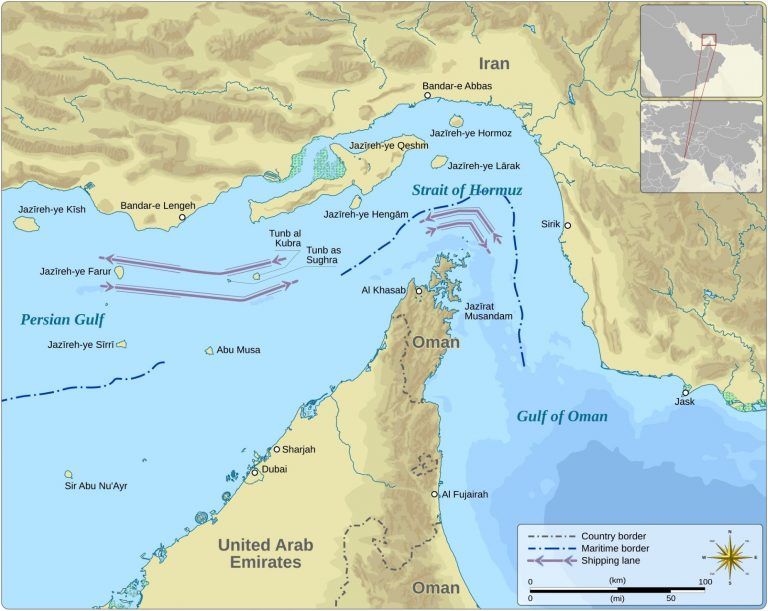
Airlines in every region are expected to remain profitable except those based in the Middle East, where carriers are forecast to collectively post losses. The conflict has resulted in airspace restrictions, route diversions and operational disruptions, creating significant uncertainty for airlines operating in and through the region.
High fares to help recover the fuel price shock
IATA noted that Gulf carriers have worked hard to maintain global connectivity despite the challenges, but the financial impact is unavoidable.
Passenger revenues are expected to reach $839 billion in 2026, up 9.2% from last year. Higher fares are helping airlines recover a portion of the fuel price shock, with passenger yields forecast to increase by around 7%.
Ancillary revenues, including baggage fees, seat selection charges and other add-on services, are expected to rise by 12.6% to $165 billion. For the first time since 2019, ancillary revenues are projected to exceed air cargo revenues, reflecting airlines’ efforts to diversify income streams and offset rising costs.
Beyond fuel costs, airlines continue to grapple with aircraft shortages and supply chain disruptions.
Manufacturers have increased production rates, but deliveries remain below pre-pandemic levels and are insufficient to meet demand. The global aircraft backlog has now reached 18,100 aircraft, representing more than half of the world’s active fleet.
The shortage is forcing airlines to keep older aircraft in service longer, resulting in higher maintenance expenses and rising lease rates. It is also slowing improvements in fuel efficiency, with the industry unable to achieve the usual reductions in emissions that accompany fleet renewal programs.
IATA also pointed to broader economic concerns that could further affect airline performance. Global GDP growth is expected to slow to 2.5% in 2026 from 3.4% last year, while inflation is forecast to rise to 5%.
In addition, infrastructure constraints, geopolitical uncertainty and a busy global election calendar could create further volatility for travel markets.
Despite the headwinds, airlines are expected to remain profitable overall. However, IATA noted that the industry’s projected return on invested capital of 4.3% remains well below the estimated cost of capital of 8.5%.
IATA next AGM will take place in Xiamen from 30 May to 1 June 2027, hosted by Chinese carrier Xiamen Airlines.