Doi Mae Salong in Thailand is often referred to as Little Switzerland with its unique and breathtaking mountain scenery attracting about 200,000 tourists a year, half of them foreigners.
Many visitors do not know though that the area is also well know for its tea plantations, and the villages of Mae Salong are among eight communities selected this year by the Tourism and Sports Ministry to be developed into Otop tourism centres.
The Mae Salong villages date back to shortly after the Chinese revolution in 1949, when a number of Kuomintang troops fled from China to neighbouring Burma and were later forced to flee into Thailand, where the Thai government allowed them to stay.
For 45 years now, the villages have been home to these former Chinese fighters and their descendants who have adopted the peaceful occupation of planting tea, with today about 30% of the tea harvest being exported to Europe, Asia and the Middle East.
The others are Ban Thawai in Chiang Mai, Ko Kret in Nonthaburi, Ban Dan Kwian in Nakhon Ratchasima, Ban Khiriwong in Nakhon Si Thammarat, Bang Chao Cha in Ang Thong, Ban Aranyik in Ayutthaya and Ban Don Kaidee in Samut Sakhon and the goal is to stimulate the grassroots economy, increase the number of tourists, lengthen the duration of their stay, and develop Thailand’s products and services.
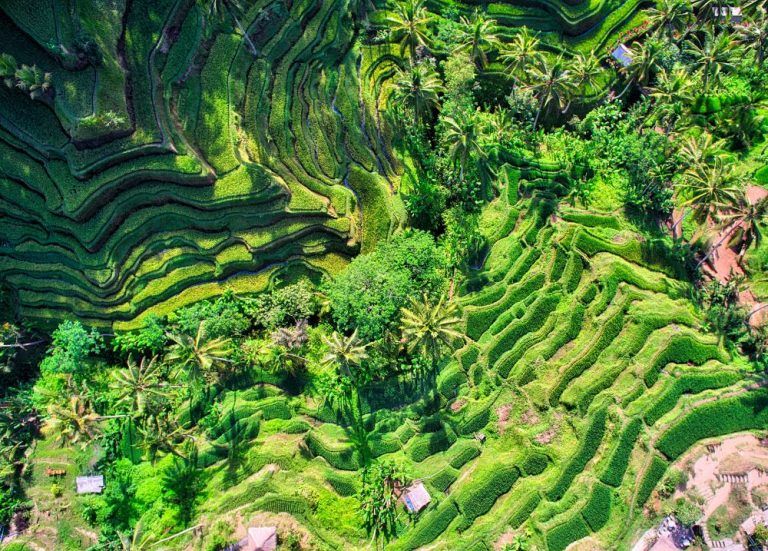
Thanitta Maneechote, director-general of the Tourism Development Office, which is responsible for the Otop tourism villages, said that given the vast area of verdant tea plantations, the altitude of 1,300 metres above sea level, and temperatures of 21-23 degrees Celsius, the Mae Salong area was an ideal choice.
To add value to tourism, instead of promoting it as a shopping stop to buy three- to five-star Otop products, the office has persuaded visitors to make it a holiday destination with homestay accommodation.
Every Otop tourism village has an enchanting atmosphere with a legend to tell or interesting products and local wisdom to show the world. Wuthipong Swanchote, chief of the Mae Salong-nok Tambon Administration Organisation, said the first project, which covers five of 13 villages in the district, will develop homestay facilities with lodging fees of 100-200 baht per night, with most tourists at Doi Mae Salong backpackers from Europe and Japan.
Doi Mae Salong is famous for Oolong and green tea, which make up about 80% of all tea production in Chiang Rai and Mr Wuthipong said plans were also afoot for the communities to expand the tea plantations from about 4,500 rai now and upgrade quality and branding, increasing the province’s production about 200 tonnes of tea a year.
Special Thailand Report by The Mole