Australia has tightened its travel advice across much of the Middle East after a fresh wave of military strikes between Iran and the United States reignited fears of a wider regional conflict and disrupted air travel.
The Australian government’s Smartraveller service warned that the security situation across the region remains “unpredictable,” with the risk of further military action, missile attacks and travel disruptions. It also reminded travelers that its advice to “reconsider your need to travel” includes transit through affected countries, an important warning for passengers connecting via major Gulf aviation hubs.
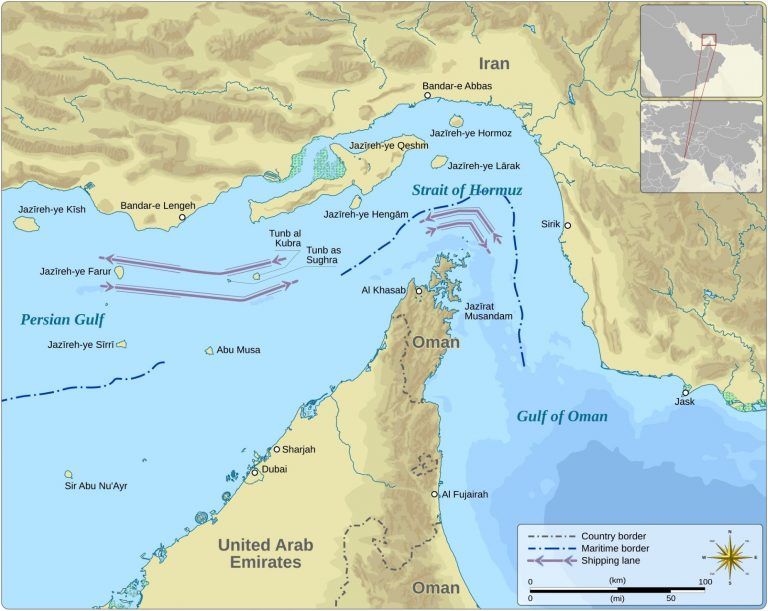
The updated advisory comes after Iran launched missile and drone attacks against several Gulf states following renewed U.S. military strikes on Iranian targets. The latest exchanges have heightened concerns over commercial aviation, regional security and the safety of international travelers, with several airlines once again reviewing flight schedules and routings.
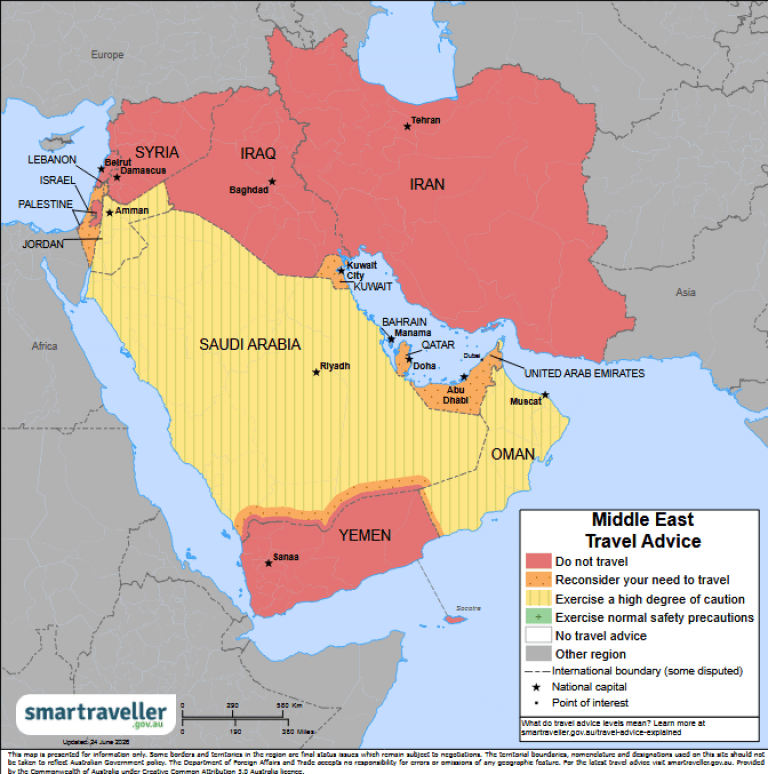
Smartraveller currently advises Australians not to travel to Iran, Iraq, Lebanon, Palestine, Syria and Yemen due to the extreme security risks.
The government also urges travelers to reconsider their need to travel to Bahrain, Israel, Jordan, Kuwait, Oman, Qatar, Saudi Arabia and the United Arab Emirates. Officials warn that advice levels can change at short notice if the security situation deteriorates further.
For travelers already in the region, the Department of Foreign Affairs and Trade (DFAT) advises monitoring local media, following instructions from local authorities and airlines, and maintaining contingency plans in case flights are delayed or canceled. Travelers are also urged to confirm that their travel insurance covers destinations subject to government travel warnings.
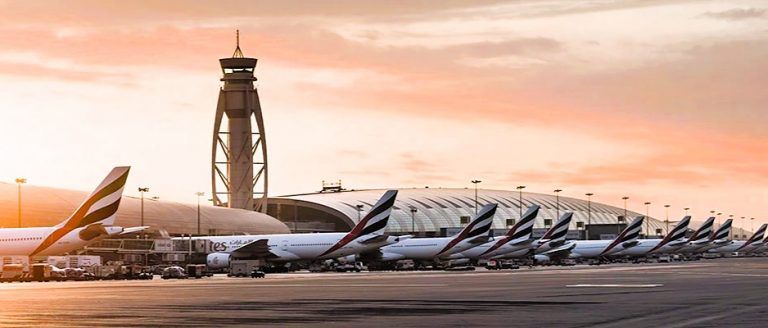
The renewed US/Iran tensions have already triggered disruption over the week-end across the Gulf’s biggest aviation hubs. Airlines temporarily suspended or delayed services through Dubai International, Abu Dhabi’s Zayed International, Doha’s Hamad International, Bahrain International and Kuwait International airports after missile and drone attacks prompted heightened security measures and temporary airspace restrictions. Most airports have remained operational, the situation being back to normal on Monday, July 13, 2026.
Australia latest advisory reverses some of the easing introduced only weeks ago, when the Ministry of foreign affairs had downgraded warnings for several Gulf destinations after months of relative stability. The renewed hostilities have again placed the Middle East on high alert, with authorities warning that travelers should expect sudden airspace closures, flight diversions and rapidly changing security conditions.