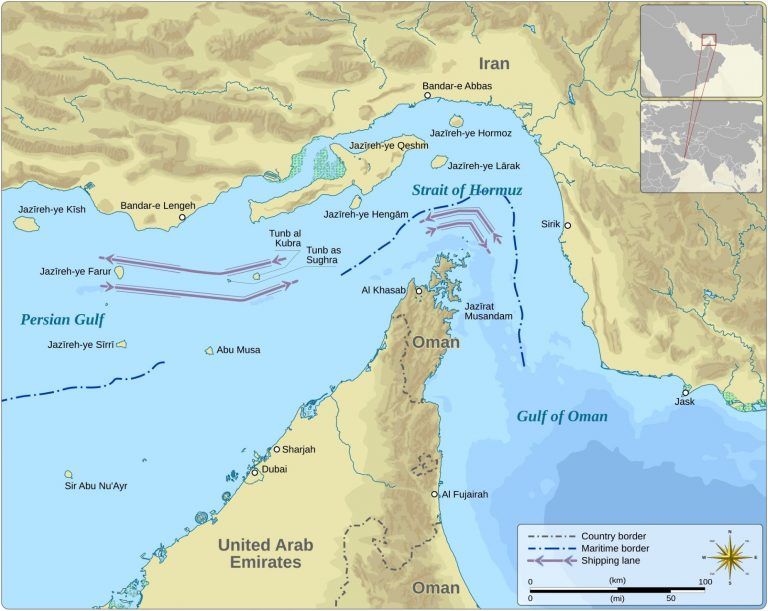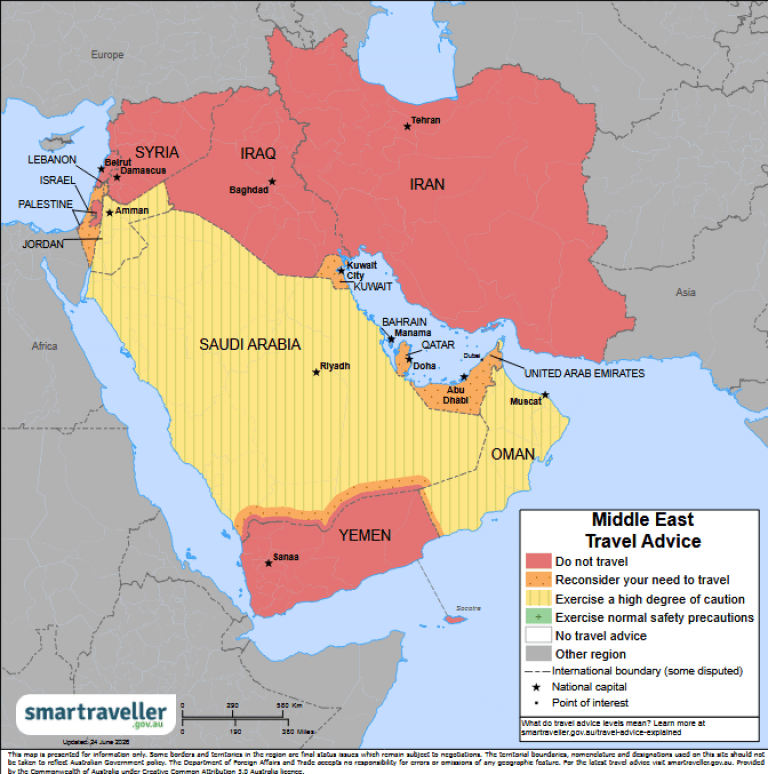
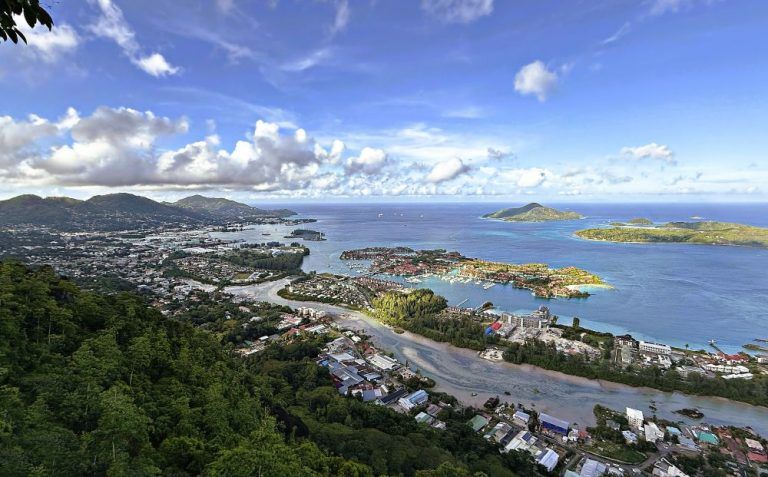
Tourism to the Seychelles slowed sharply during the first five months of 2026, with the Indian Ocean destination reporting a double-digit decline in international arrivals as conflict in the Middle East disrupted key air connections.
The island nation welcomed 145,858 international visitors between January and May, down 11.7% compared with the same period in 2025. The decline comes after several weeks of airspace disruption and reduced connectivity through major Gulf aviation hubs.
The International Monetary Fund (IMF) recently warned that Seychelles faces increasing economic risks from weaker tourism demand and continuing geopolitical uncertainty.
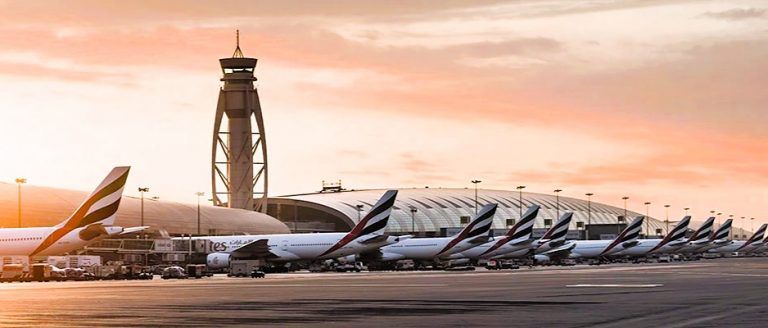
The IMF highlighted the country’s heavy dependence on Gulf airlines, noting that around 60% of international visitors reach Seychelles via connecting flights through Doha, Dubai and Abu Dhabi. Any disruption to those gateways has an immediate impact on visitor arrivals.
Tourism is the backbone of the Seychelles economy, accounting for the country’s largest source of foreign exchange, supporting thousands of jobs and generating substantial government revenue.
Europe remained Seychelles’ largest source market during the first five months of 2026, accounting for 106,142 visitors, or 72.8% of total arrivals.
Asia ranked second with 21,901 arrivals (15%), while Africa contributed 10,548 visitors, representing 7.2% of the total.
Despite the weaker start to 2026, Seychelles is coming off a record year. The destination welcomed 398,841 international visitors in 2025, an increase of 13.1% year over year and the highest annual total ever recorded.
The country’s recovery since the pandemic has been driven largely by strong demand from Europe, with leading inbound markets including Germany, France, Italy, the UK, Switzerland and Russia. Visitor numbers have also been supported by expanding air connectivity from Europe, the Middle East and Africa.
However, the latest figures suggest that geopolitical instability is now weighing on the destination’s tourism sector. With most long-haul visitors relying on one-stop connections through the Gulf, continued disruption to regional aviation networks could slow growth during the remainder of 2026. The latest developments in the Gulf could further jeopardize the country’s tourism recovery although tourism authorities remain optimistic about long-term demand.