Germany has introduced an aviation tax that will add €25 on to flights to the UK.
It is part of a package to help reduce the German government’s deficit.
The tax comes into play with immediate effect on flights booked now and departing from January 2011.
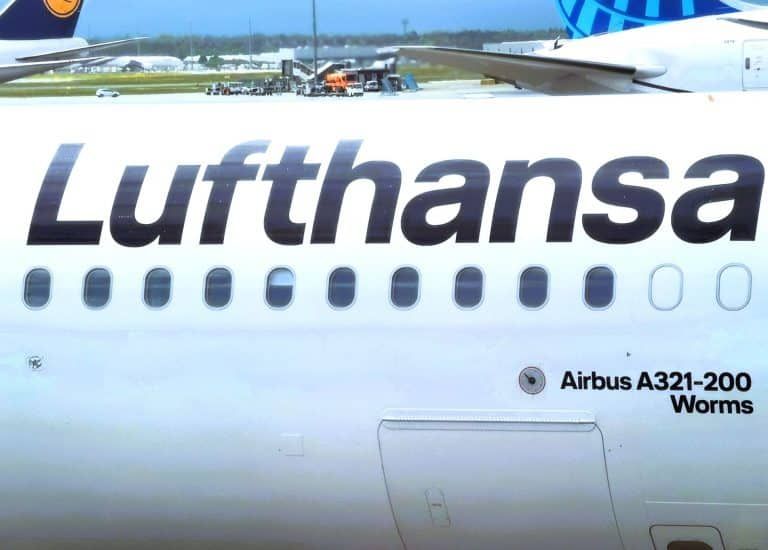
Lufthansa said it was strongly opposed to the
tax.
"Such unilateral action will weaken Germany as a base for the aviation industry, and will massively distort competition," it said.
"As Germany’s largest carrier, Lufthansa will be hit particularly hard by the tax. The relationship between the level of the tax and the distance flown will put Germany – a leading export nation that relies heavily on global connections – at a special disadvantage.
"The aviation tax will give momentum to foreign airlines and airports, as the experience in the Netherlands has shown.
Germanwings said the tax creates a major distortion of competition for German airlines.
Germanwings management spokesman, Thomas Winkelmann, said: “The levy drains economic power out of Germany and displaces it into neighbouring countries.
“It places jobs at risk, restricts people’s mobility and acts as a brake on economic recovery in our country. The winners with this new levy are the airports in Holland, Belgium, Poland and Switzerland.”
ABTA is calling on the German government to confirm that in two years time, when the EU’s emission trading scheme comes into effect, it will scrap the tax.
Luke Pollard, ABTA head of public affairs said: “The introduction of this tax is a seriously regressive step that will impact on UK visitor numbers to Germany and Germans coming to the UK.
“The German Government has previously stated that this tax would be a temporary measure and abolished in 2012 when the EU’s Emission Trading Scheme comes into effect and we will be writing to obtain confirmation that this is still their intention.
“In addition ABTA also believes strongly that the UK’s own aviation tax APD should also be reconsidered when we enter ETS in two years time.”
In 2008 the Dutch Government abolished a similar tax after admitting that the revenue raised was far less than the revenue lost due to a decrease in traffic as customers switched to competing airports in France and Germany.
By Bev Fearis