Travel and tourism is one of the industries at the top of the agenda for Brexit negotiators, according to legal experts.
Speaking at the ABTA Travel Law Seminar in London today, Neil Bayliss, partner of international law firm K&L Gates, said the sector was being treated by the Government as more important than the financial services sector.
Reassuring ABTA members, he said: "I am, overall, positive, and more than I would be if I was speaking to any other audiences. There’s no need to panic, but there are sensible things you could be doing now in preparation."
Bayliss said companies should be looking at the location of their business and deciding whether to relocate their head offices.
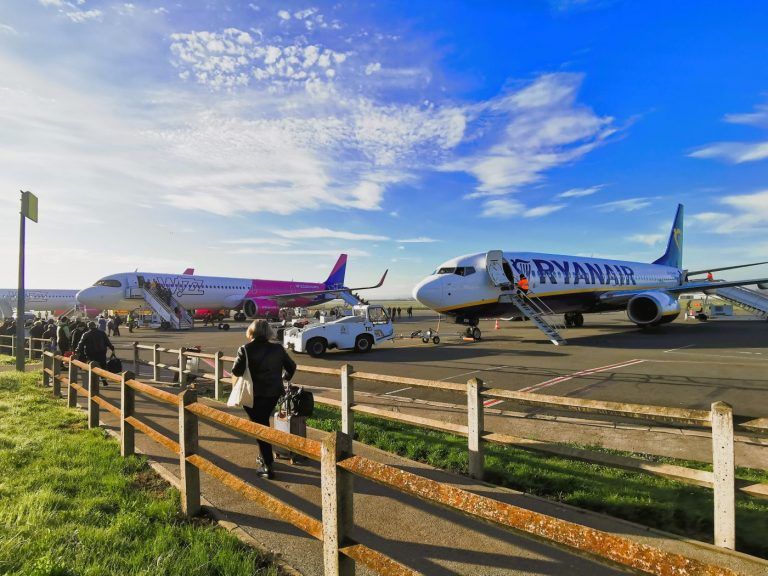
He said airlines, such as Ryanair, Wizz Air and easyJet, are already taking action to protect themselves if a Brexit aviation deal is not agreed by March 2019. Ryanair is applying for a UK licence, Wizz Air has already set up a UK subsidiary and easyJet has set up operations in Vienna.
"I don’t feel within the rest of the travel sector that this is happening yet but it’s something to consider going forward," he said.
He said travel companies should be closely monitoring Brexit developments and advised them to appoint an individual or team to take responsibility for it.
Companies should also consider putting Brexit clauses into their contracts with customers and third party suppliers.
These clauses would set out factors that could be triggered by Brexit and specify what both sides agree to do in each scenario.
"We’re seeing more Brexit wording creeping into contracts," said Bayliss.
He also advised travel companies to keep Brexit in mind when devising budgets and business plans and to consider switching or expanding into new markets which are perhaps less vulnerable to Brexit influences.
"Brexit doesn’t have to be completely negative," he said. "It could mean doors opening all across the world and the golden age could just be around the corner."