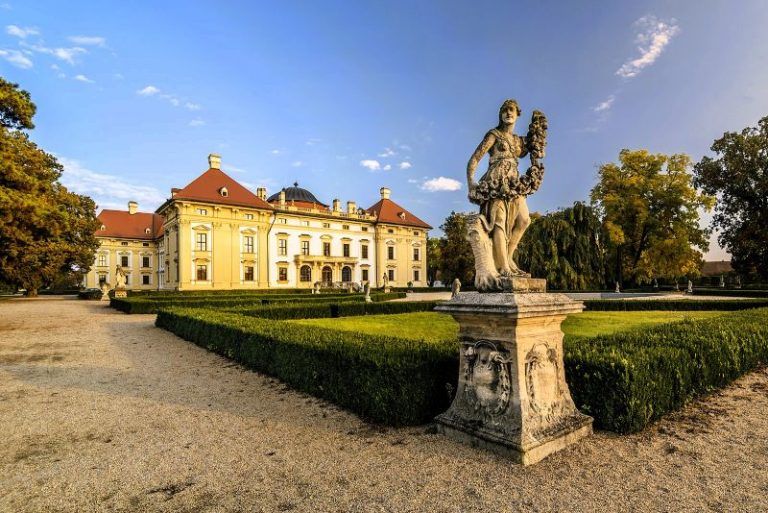
A new high-tech exhibition bringing one of Europe’s most decisive battles to life is set to open in the historical castle of Slavkov (formerly known as Austerlitz) this month of May.
The castle is one of the best preserved baroque monuments in the Czech Republic. After being the seat of the Order of the German Knights in the Middle Ages, it belonged afterwards to the powerful noble Kaunitz family. They retained the castle’s ownership until 1919.
In December 1805, French Emperor Napoleon Bonaparte celebrated his triumph over the armies of the European Powers (Austria and Russia) on a nearby battlefield.
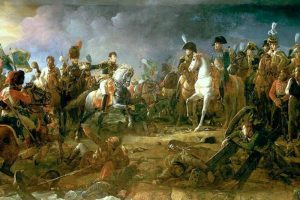
New AI exhibition opens in May
To mark the 220th anniversary of the Battle of Austerlitz, also known as the Battle of the Three Emperors, an immersive display combines artificial intelligence and sensory effects to recreate early 19th-century life. Housed in the castle’s newly restored historic stables, part of a national cultural monument, the exhibition is designed to boost the site’s appeal while serving as an educational “learning through play” experience.
The Battle of Austerlitz remains one of Napoleon Bonaparte’s greatest victories, reshaping Europe and contributing to the collapse of the Holy Roman Empire. However, the aftermath brought devastation to Moravia -the region where Slavkov is located, including widespread looting and a deadly typhus outbreak.
The new exhibition goes beyond battlefield tactics, offering insight into daily life during the conflict. Visitors follow the story of Jan Vařvoda, an Austrian soldier, a real historical figure. From nearby Heršpice, he fought in the battle, was seriously wounded, and later returned home. His personal story guides guests through the experience, highlighting both the realities of war and its human cost.
A standout feature is the use of AI, enabling visitors to “interact” with Napoleon himself. A detailed battlefield model illustrates troop movements and strategies, enhanced by sound effects, fog, and even the scent of gunpowder to create a multi-sensory environment.
Original artifacts from the period, including weapons and military orders, are also be on display, alongside interpretive elements emphasizing the moral lessons of the conflict.
The project carries an estimated cost of US$2.1 million, with significant funding support from regional development initiatives aimed at enhancing cultural heritage across the Brno metropolitan area.
Following its opening, the exhibition is expected to further cement Slavkov–Austerlitz castle as a key destination for history tourism in Central Europe. It will complement the visit of the stately rooms inside the castle, the discovery of the park and the Battle of the Three Emperors’ nature trail.